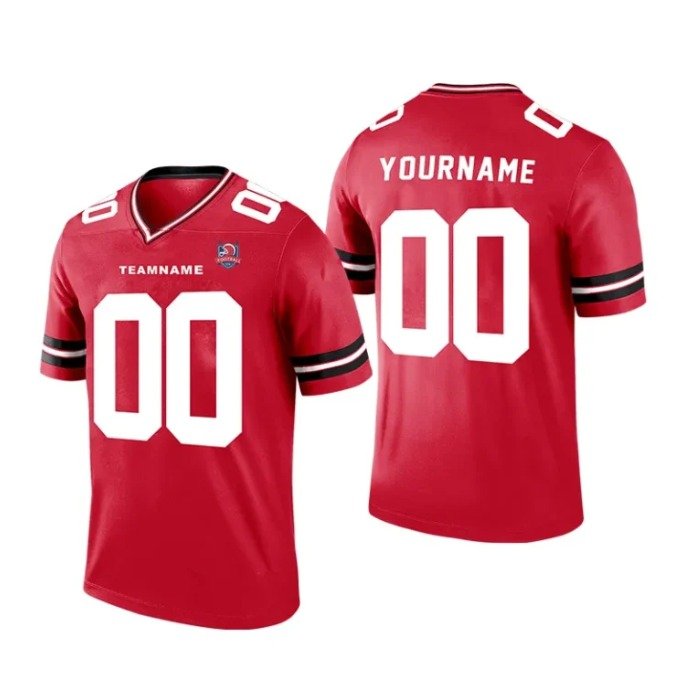
Choosing the right football jersey is an important decision for players and teams that want comfortable clothing without sacrificing appearance or functionality. A football jersey needs to support constant movement, manage sweat, and remain comfortable throughout training sessions and competitive matches. At the same time, the design should represent the team’s personality and create a consistent appearance on the field. Custom Football Jerseys designs can bring these elements together by allowing teams to consider comfort, style, and practical performance when creating their apparel.
Why the Right Football Jersey Matters
Football players spend much of a match running, sprinting, turning, jumping, and competing for possession. Clothing that feels uncomfortable can become distracting during these activities. A suitable jersey should move naturally with the player and remain comfortable throughout the game.
The right jersey can also contribute to the team’s overall appearance. Matching colors, patterns, numbers, and design elements help create a consistent look among players. When comfort and visual design are considered together, a jersey can become a useful part of the overall football experience.
Focus on Comfortable Fabric
The fabric used to make a football jersey has a major influence on how it feels during physical activity. Players need materials that are lightweight, breathable, and suitable for active movement.
Breathable Materials
Breathable fabric allows air to circulate around the body and can help reduce heat buildup during intense activity. This feature is especially useful during warm-weather matches and demanding training sessions.
Good airflow can help players feel more comfortable while they remain active on the field. It can also complement moisture-management properties by helping sweat evaporate more effectively.
Lightweight Construction
A lightweight jersey can provide freedom of movement without adding unnecessary weight. Players already use considerable energy during a football match, so comfortable and lightweight clothing can help reduce distractions.
The material should still be durable enough to handle regular use, washing, and the physical demands associated with football.
Choose a Suitable Fit
Fit is another important consideration when selecting football jerseys. A jersey should provide enough room for movement while remaining secure during running and physical contact.
Avoid Excessively Loose Jerseys
A jersey that is too loose may move excessively while the player is running. Extra fabric can become distracting and may affect overall comfort.
A suitable athletic fit can keep the jersey closer to the body while still providing enough flexibility for natural movement.
Avoid Excessively Tight Jerseys
A jersey should also avoid unnecessary tightness. Players need freedom around their shoulders, arms, and upper body when running, turning, and competing for the ball.
Choosing the correct size can help create a balance between a secure fit and comfortable movement.
Consider Moisture Management
Football is an intense sport, so sweating is unavoidable for most players. A jersey that manages moisture effectively can help improve comfort throughout a match.
Moisture-Wicking Fabric
Moisture-wicking materials are designed to move perspiration away from the skin. This can help reduce the uncomfortable feeling associated with wet clothing during physical activity.
For players who participate in long matches or extended training sessions, moisture management can be especially useful.
Quick-Drying Materials
Quick-drying fabric can help prevent the jersey from remaining wet for extended periods. A jersey that dries efficiently can feel lighter and more comfortable as the match continues.
This feature can also be useful for teams that train or compete frequently and need apparel that is easy to maintain.
Look for Functional Design Features
A football jersey should be practical as well as attractive. Small design details can influence comfort and usability during active play.
Comfortable Neckline
The neckline should sit comfortably without creating unnecessary pressure around the neck. A properly designed collar can provide coverage while allowing natural movement.
Different players may prefer different neckline styles, so comfort and personal preference should be considered when selecting a design.
Flexible Sleeves
Sleeves should allow natural arm movement without feeling restrictive. Players regularly use their arms for balance, shielding the ball, jumping, and other movements.
A well-designed sleeve can remain comfortable throughout these activities while maintaining the overall shape of the jersey.
Balance Style With Team Identity
Football jerseys are often an important visual representation of a team. Colors, patterns, numbers, and other design elements can communicate a team’s identity.
Selecting Team Colors
Team colors are one of the most noticeable parts of a football jersey. Strong color combinations can create a recognizable appearance and help players look coordinated on the field.
Teams can select colors based on their existing identity or create a new combination for a particular season, tournament, or event.
Adding Personal Design Elements
Customization provides an opportunity to include unique patterns and visual details. Teams can choose simple layouts or more creative designs depending on their preferences.
Custom Football Jerseys designs allow teams to combine personalized visual elements with practical features such as breathable materials, suitable fits, and comfortable construction.
Consider Player Numbers and Names
Player identification is another important aspect of football jersey design. Numbers allow teammates, officials, and spectators to distinguish players during matches.
Clear Number Placement
Numbers should be positioned where they can be easily seen. Clear and readable designs can make identification more convenient during fast-paced matches.
The number style should also complement the overall jersey design without making the apparel appear overcrowded.
Personalized Player Details
Adding player names or other identification details can make jerseys more personal. Individualized apparel can be particularly useful for organized clubs, school teams, community groups, and tournament participants.
These details can make each jersey unique while maintaining the same overall team design.
Think About Durability
Football jerseys are exposed to frequent movement, physical contact, sweat, dirt, and repeated washing. Durability should therefore be considered when choosing apparel.
Strong Stitching
Quality stitching can help a jersey withstand regular use. Areas around the shoulders, sleeves, neckline, and sides should be constructed carefully to reduce premature wear.
Strong seams can also help the jersey maintain its shape after repeated use.
Long-Lasting Design
The visual elements should also remain attractive after regular washing and wearing. Proper care can help protect colors, printed details, numbers, and other design features.
Following suitable washing and storage instructions can contribute to the long-term condition of the jersey.
Consider Different Playing Conditions
Football teams may play in different temperatures and environments. The jersey should be suitable for the conditions in which it will normally be used.
Warm Weather
For warm conditions, lightweight and breathable fabrics can help improve airflow and comfort. Moisture management can also be important when players are likely to sweat heavily.
Choosing a suitable material can help players remain more comfortable during intense matches.
Cooler Conditions
When temperatures are lower, players may use additional layers underneath their jerseys. The jersey should still provide enough flexibility for natural movement.
A suitable combination of layers can provide additional warmth without creating unnecessary bulk.
Use One Design Across the Team
Consistency can make a football team look organized and unified. Matching jerseys create a shared appearance while allowing individual players to have their own numbers and names.
Teams can maintain the same primary colors and design structure while making small adjustments for different player roles or sizes. This approach provides visual consistency without preventing individual personalization.
Final Thoughts
Choosing a football jersey requires attention to more than appearance. Fabric quality, breathability, moisture management, fit, flexibility, durability, and practical design features can all contribute to player comfort. At the same time, colors, patterns, numbers, and personalized details can help create a strong team identity. By balancing these elements, FastCustomJerseys can provide football teams with apparel that combines comfortable movement, practical performance, and a distinctive appearance for matches, training sessions, and organized events.
About the Author