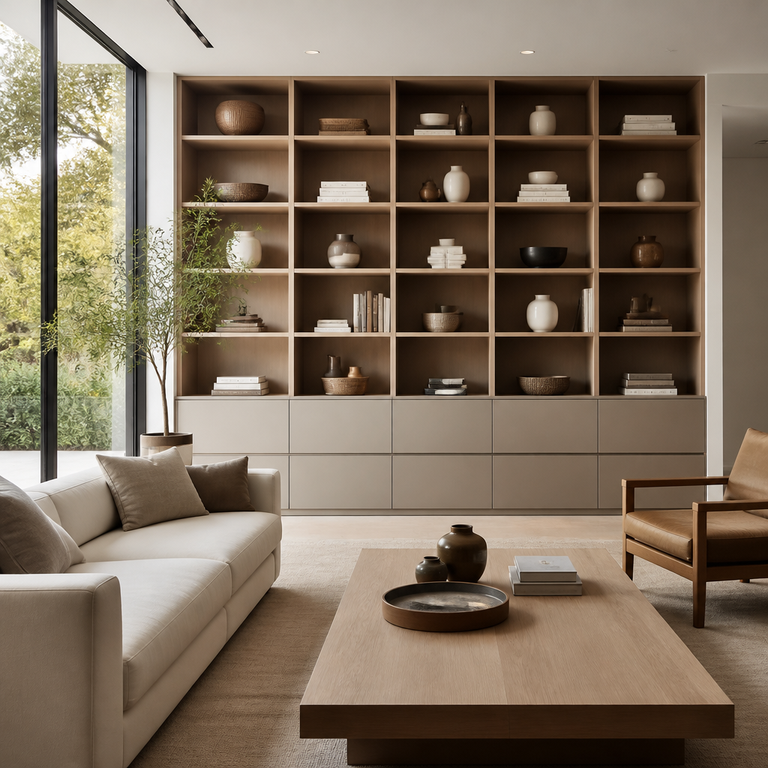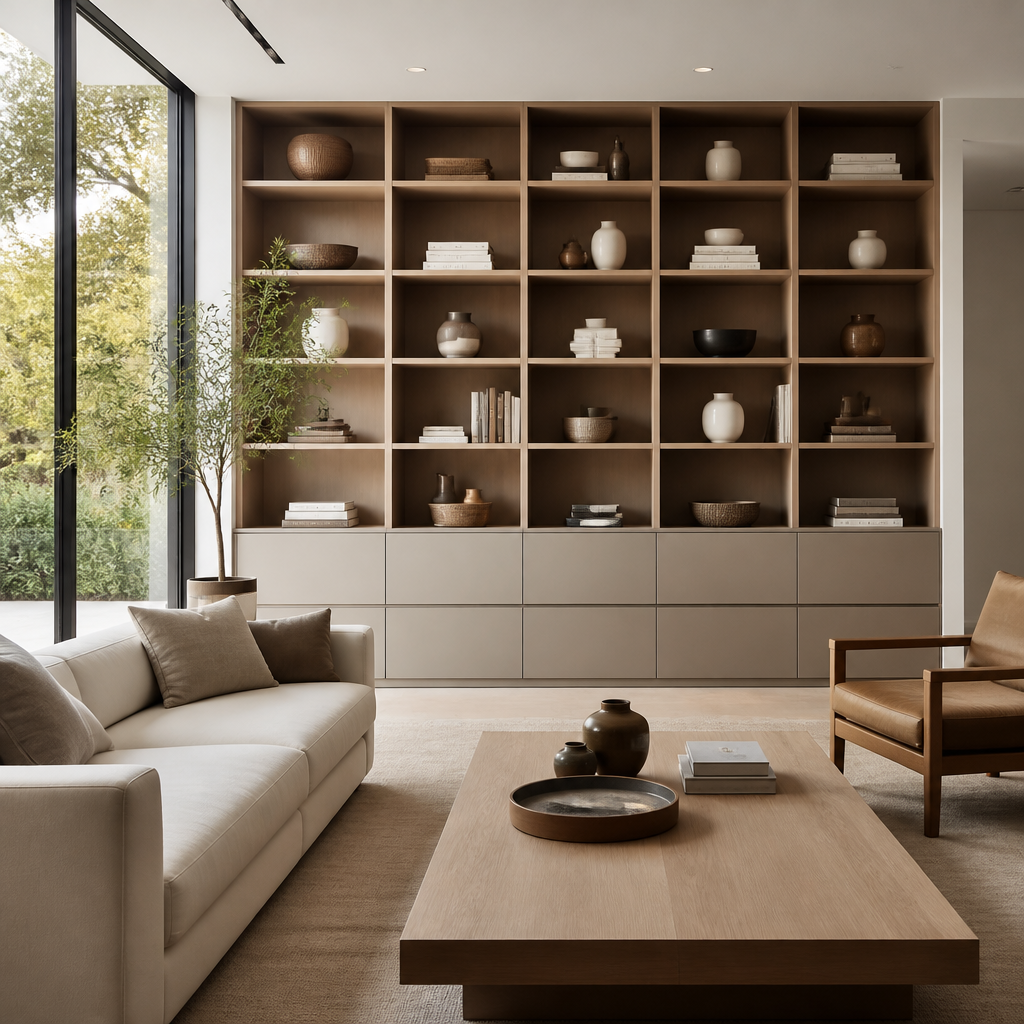
Modern living demands more from our spaces than ever before. Our homes serve as offices, gyms, classrooms, and sanctuaries all at once. Yet many of us struggle with clutter, disorganization, and the overwhelming feeling that our possessions control us rather than the other way around. The solution lies not in acquiring more storage solutions, but in fundamentally rethinking how we interact with our belongings and the spaces we inhabit.
The philosophy of simplified living has gained remarkable traction in recent years, challenging our consumption habits and encouraging intentional choices about what we allow into our homes. This movement intersects beautifully with practical organization strategies, creating environments that support both functionality and mental clarity. When we declutter our physical spaces, we often find ourselves decluttering our minds as well.
The Foundation of an Organized Home
Creating an organized living space begins with understanding that organization is not about perfection—it’s about creating systems that work for your specific lifestyle and needs. The first step involves honest assessment. Walk through your home with fresh eyes and identify problem areas where clutter accumulates, where you waste time searching for items, or where the current setup simply doesn’t serve you well.
Effective organization requires appropriate tools and systems tailored to your space. Whether you’re working with a compact apartment or a sprawling house, Organized Living principles emphasize that every item should have a designated home, and that home should be logical based on how and where you use that item. This approach reduces decision fatigue and makes maintaining order significantly easier over time.
Room-by-Room Strategy Development
Rather than attempting to overhaul your entire home at once, a room-by-room approach yields more sustainable results. Start with the space that causes you the most daily frustration—perhaps a chaotic entryway, an overflowing kitchen pantry, or a bedroom closet where nothing can be found. By focusing your energy on one area at a time, you’ll experience quick wins that build momentum and motivation for tackling additional spaces.
Each room presents unique organizational challenges and opportunities. Kitchen organization, for example, centers on workflow efficiency and accessibility, placing frequently used items within easy reach while storing occasional-use appliances elsewhere. Bedroom organization prioritizes creating a restful environment through minimizing visual clutter and establishing clear zones for different activities. Professional organizers recommend evaluating each space based on its primary function and organizing accordingly, rather than applying a one-size-fits-all approach.
The Minimalism Connection
The intersection of organization and minimalism creates powerful synergy. Minimalism isn’t about deprivation or living with as few possessions as possible—it’s about intentionality and keeping only what adds genuine value to your life. This philosophy naturally complements organizational efforts because the less you own, the less you need to organize and maintain.
Many people discover that their organizational challenges stem not from lack of storage solutions but from simply having too much stuff. The simplicity movement encourages regular evaluation of possessions, asking whether each item serves a purpose or brings joy. This ongoing curation process prevents accumulation and makes organization an achievable, sustainable goal rather than a constant battle.
Breaking the Acquisition Cycle
True organization extends beyond arranging what you already own—it includes being mindful about what you bring into your space moving forward. Before making a purchase, consider where the item will live, whether it replaces something you already own, and whether it aligns with your organizational goals. This deliberate approach prevents the common cycle of organizing, accumulating more items, and needing to reorganize repeatedly.
Maintaining Organized Spaces Long-Term
The difference between a temporarily tidy space and a sustainably organized one lies in the systems you establish. Organization isn’t a one-time project but an ongoing practice. Building habits like immediately putting items back in their designated spots, conducting weekly quick-tidies, and performing seasonal deep cleanouts keeps disorder from regaining a foothold in your newly organized spaces.
Family participation is crucial for maintaining household organization. When everyone understands the systems in place and takes responsibility for their belongings, the burden doesn’t fall on one person. Clear labeling, accessible storage, and age-appropriate expectations help ensure that organizational systems work for everyone in the household.
Adapting Systems as Life Changes
Your organizational needs evolve as your life circumstances change. A system that worked perfectly when you lived alone may need adjustment when you move in with a partner or welcome children. Career changes, new hobbies, or downsizing all require reassessing and adapting your organizational strategies. Flexibility and willingness to modify systems ensure they continue serving you rather than becoming restrictive or irrelevant.
The Psychological Benefits of Organization
Beyond the practical advantages, organization profoundly impacts mental wellbeing. Clutter creates visual noise that increases stress and anxiety levels, making it difficult to relax even in your own home. An organized environment, conversely, promotes calm, enhances focus, and provides a sense of control in an often chaotic world. Many people report improved sleep quality, increased productivity, and better mood after organizing their living spaces.
The act of organizing itself can be therapeutic. Sorting through belongings, making decisions about what to keep, and creating order from chaos provides a tangible sense of accomplishment. Unlike many life challenges that feel amorphous and overwhelming, organization offers clear before-and-after results that reinforce your capability and agency.
Conclusion: Creating Your Personalized Approach
There is no universal blueprint for the perfectly organized home because perfection isn’t the goal—functionality tailored to your lifestyle is. The most effective organizational systems are those you’ll actually use consistently. Start small, focus on progress rather than perfection, and remember that organization is ultimately about creating a space that supports the life you want to live. Whether you embrace full minimalism or simply want to reduce daily friction in your routines, thoughtful organization transforms not just your space but your relationship with your environment and possessions.
About the Author