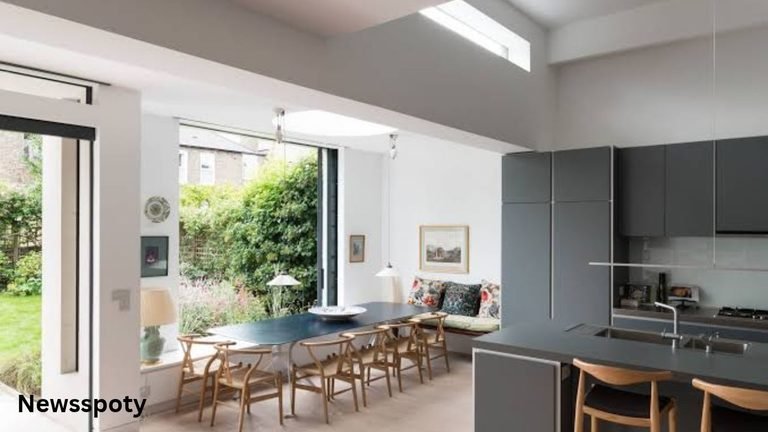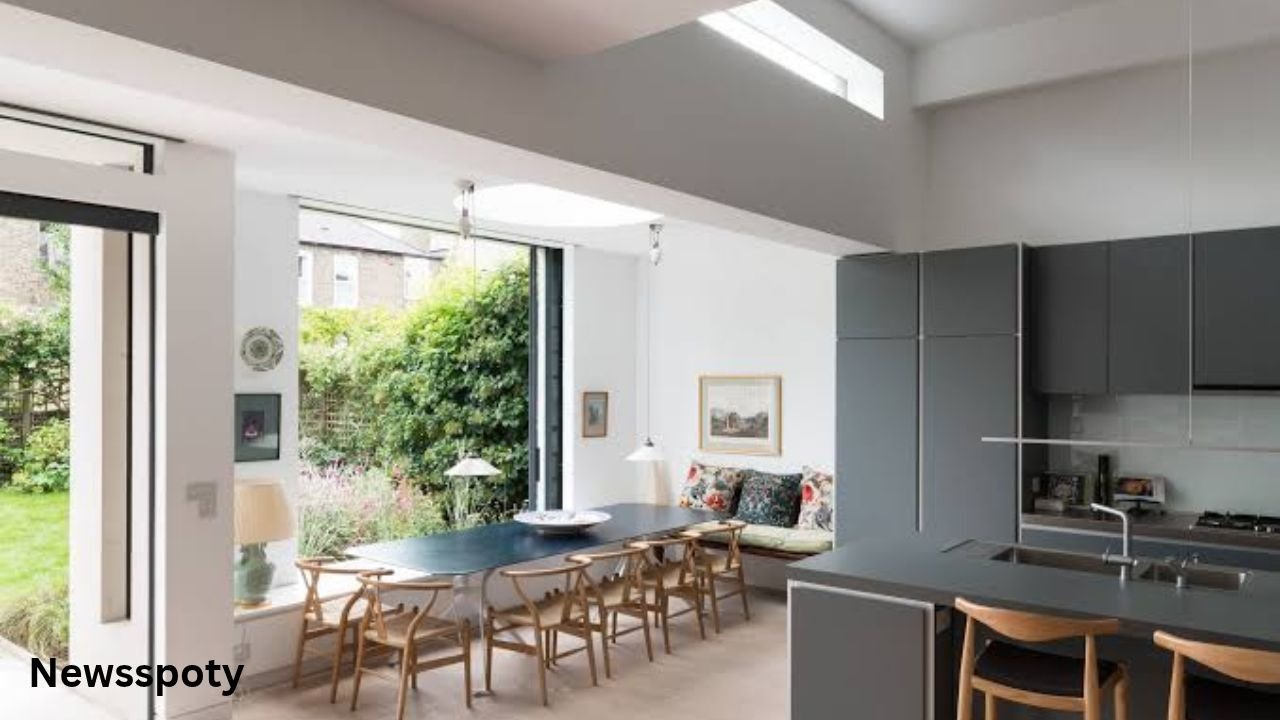
A dining space should feel inviting during an ordinary weekday meal as well as a special gathering. Furniture and lighting matter, but the surrounding architecture also shapes the experience. Windows influence the outlook from the table, the placement of storage, and the balance between openness and privacy.
Before choosing a larger table or ordering fitted seating, examine how the room works throughout the day. Notice where people naturally sit, which routes become crowded, and whether existing furnishings make the window difficult to reach. These observations can reveal improvements that decorative changes alone might miss.
For Danish homeowners considering replacement windows within a renovation, bedst-billigst.dk presents made-to-measure options in traditional and contemporary styles. Exploring those choices can help develop a shortlist, but the room’s practical requirements should guide the discussion. Start with how you want to dine, gather, and move through the space, then assess which window arrangement supports those activities.
Choose the Table Position Before Adding Details
The dining table is usually the largest movable element in the space. Its position determines where chairs pull out and how comfortably people pass behind them.
Test different arrangements using existing furniture or floor markings. Include the space needed when chairs are occupied, rather than judging clearance with everything pushed neatly underneath.
Check the route between the dining area and kitchen. A table that frames the view beautifully may still feel inconvenient if serving meals requires repeatedly squeezing past seated guests.
Consider the Outlook From Every Seat
A view should be assessed from seated height. Sit where diners would normally gather and notice how the frame, sill, or nearby objects affect the outlook.
Not every chair needs an identical view, but the arrangement should feel balanced. Avoid placing one seat awkwardly against a curtain or directly beside an obstruction.
Think about conversation as well as scenery. The table should encourage people to engage with one another, with the window contributing to the setting rather than dictating an uncomfortable furniture layout.
Keep Window Access Part of the Plan
Dining furniture can gradually turn a window into an inaccessible feature. A sideboard, bench, or collection of plants may look attractive while making ordinary operation awkward.
Check whether handles remain reachable and opening sections have sufficient clearance. Imagine adjusting coverings and cleaning the glass after the room is furnished.
If replacement is proposed, share the layout with the supplier. Ask how shortlisted configurations would work beside the table and storage. Resolve uncertainties before approving products or commissioning furniture that limits later changes.
Plan Privacy for Different Occasions
A dining area may be used for breakfast, homework, evening meals, and entertaining. Privacy preferences can change between those activities.
Observe the room from outside where appropriate, particularly after dark. Decide how much adjustment you want rather than selecting coverings only for their decorative appeal.
Review curtain or blind fittings alongside the window specification. Controls should remain accessible, and fabric needs space when drawn back. Confirm measurements at the appropriate stage so fitted treatments reflect the completed arrangement rather than an early estimate.
Coordinate the Window With Nearby Storage
Dining rooms often need somewhere for tableware, serving dishes, or household items. Plan this storage without crowding the opening.
Compare a full wall elevation showing the window, sideboard, shelving, and any fitted seating. This helps reveal competing proportions before purchases are made.
Choose finishes as a group. Frame colour, timber furniture, flooring, and textiles do not need to match exactly, but their relationship should feel intentional. Use physical samples where available and review them in the room rather than relying entirely on screen images.
Organise Renovation Work Before Decorating
Where window replacement forms part of the project, agree on installation timing and responsibility for surrounding repairs. Coordinate the sequence with decorating and furniture deliveries.
Keep approved specifications together and check dimensions, opening directions, finishes, and quantities before ordering.
A dining space succeeds when its fixed features and furniture support the way people gather. Considering the windows early helps connect views, access, privacy, and storage within one practical arrangement. The result can feel welcoming without becoming elaborate, offering a comfortable setting for everyday meals and the occasions that bring everyone around the table.
About the Author