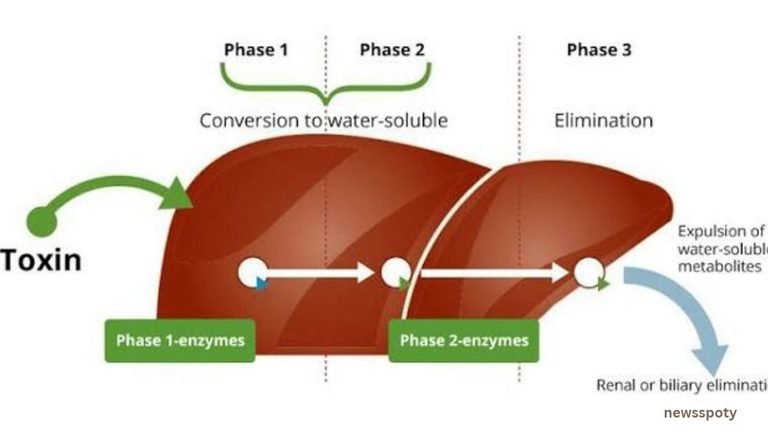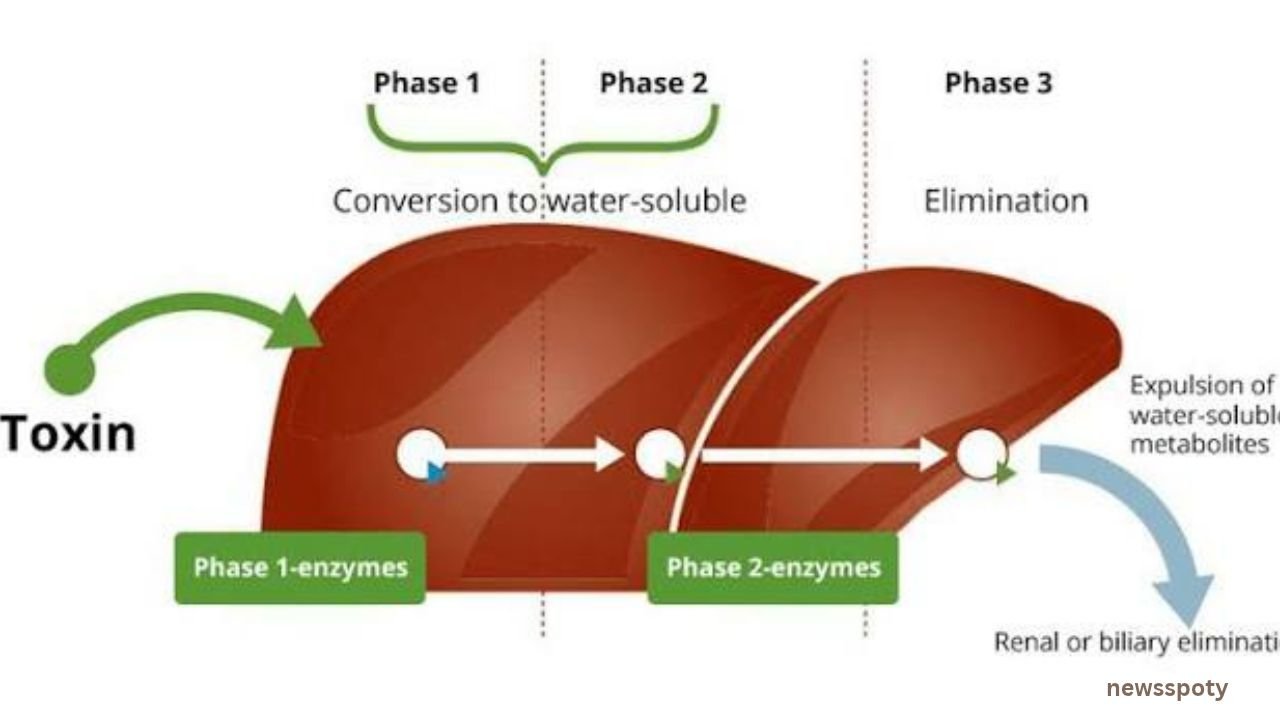
Detoxification is a continuous biochemical process involving the liver, kidneys, gastrointestinal tract and several enzyme systems. The liver has a particularly important role because blood arriving from the digestive tract passes through it before returning to systemic circulation. During that passage, liver cells metabolize drugs, environmental chemicals, metabolic byproducts and other compounds so they can be used, neutralized or prepared for elimination.
The Liver Chemically Modifies Compounds
Many foreign compounds entering the body are described as xenobiotics. These include medications, pollutants and chemicals encountered through food, air and the environment. Because some xenobiotics are fat-soluble, they cannot always be excreted efficiently in their original form.
Liver enzymes help alter their chemical structure. Phase I metabolism commonly involves cytochrome P450 enzymes that oxidize or otherwise modify compounds. Phase II pathways then attach molecules such as glutathione, sulfate or glucuronic acid, often increasing water solubility and facilitating elimination.
A recent review of phase II xenobiotic metabolism describes conjugation reactions such as glucuronidation, sulfation and glutathione conjugation as central mechanisms for processing foreign compounds. These pathways can operate sequentially or independently, depending on the substance being metabolized.
Glutathione Plays a Central Role
Glutathione is a small molecule produced from the amino acids glutamate, cysteine and glycine. Within the liver, it participates directly in several detoxification reactions by binding to reactive compounds and helping convert them into forms that can be transported out of cells.
Cysteine availability can influence glutathione synthesis. N-acetyl L-cysteine, commonly called NAC, supplies cysteine and has long been studied for its relationship with glutathione metabolism. A 2024 review of NAC and liver biology describes NAC as a precursor to reduced glutathione and examines its effects on oxidative stress and hepatic injury.
This connection between detoxification and antioxidant defense is significant. Some metabolic reactions generate reactive intermediates, so the liver must manage the compounds being processed along with the oxidative stress that can accompany their metabolism.
Nutritional Compounds Can Interact With These Systems
Nutrition supplies amino acids, vitamins, minerals and plant compounds used throughout hepatic metabolism. Certain supplements also combine ingredients studied in relation to liver function and antioxidant pathways.
Hepasil, for example, contains NAC along with choline, milk thistle extract standardized for silymarin, alpha-lipoic acid, broccoli concentrate, decaffeinated green tea extract, olive extract and turmeric extract. Its current U.S. label provides 225 mg of NAC, 240 mg of milk thistle extract and 200 mg of alpha-lipoic acid per three-tablet serving.
Milk thistle has received considerable research attention because its primary complex of compounds, silymarin, has antioxidant and hepatoprotective properties under investigation. A 2024 systematic review and dose-response meta-analysis evaluated silymarin supplementation and markers of liver and kidney function across clinical studies.
Elimination Completes the Process
Chemical transformation is only part of detoxification. Metabolites also need a route out of the body. The liver can send compounds into bile for passage through the intestinal tract, while other metabolites enter circulation and are filtered by the kidneys for urinary excretion.
These coordinated pathways operate continuously rather than during isolated periods of dietary restriction. Supporting normal liver function therefore involves maintaining adequate nutrition, limiting unnecessary exposure to hepatotoxic substances and addressing medical conditions that can impair hepatic function.
Detoxification is an active area of biochemical research, but its basic framework is well established: transform compounds, control reactive intermediates and move the resulting metabolites toward elimination.
About the Author