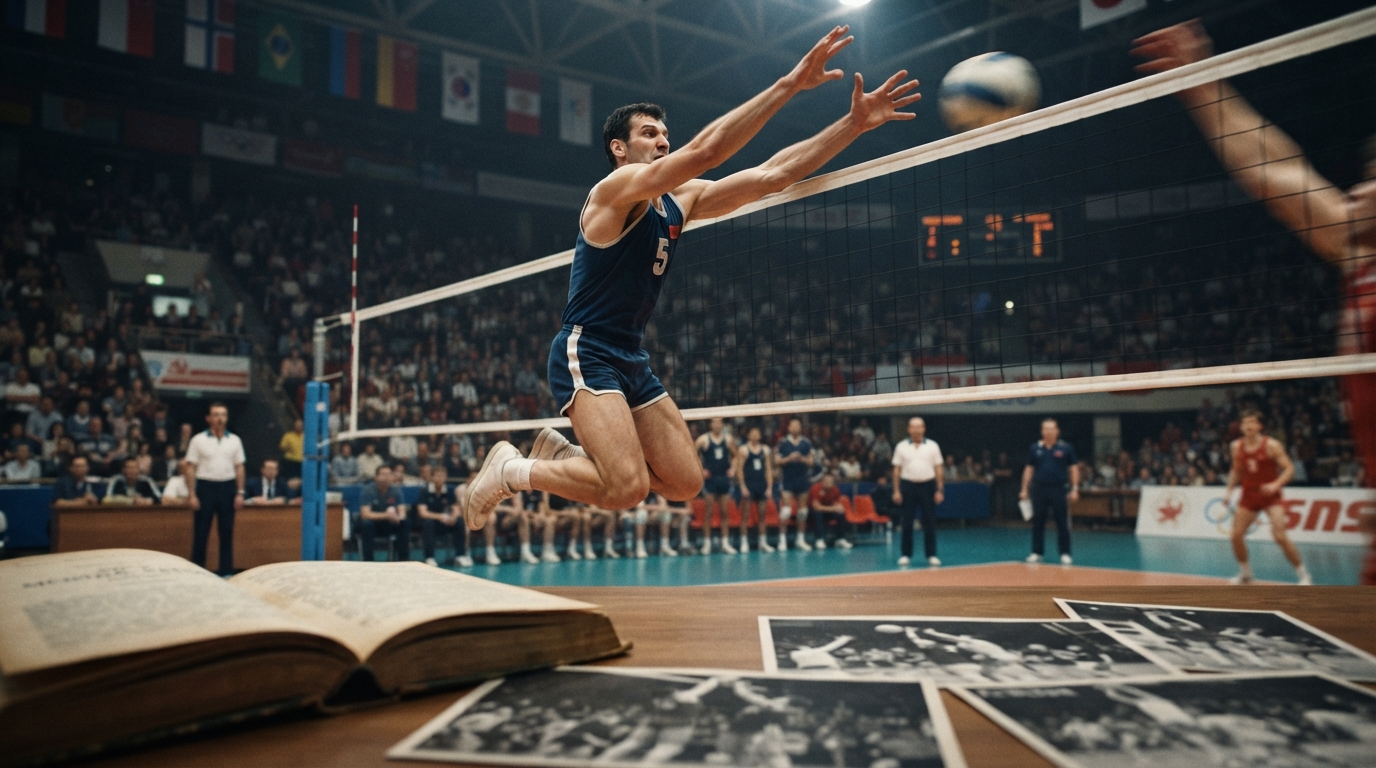
The Flying Elephant: Memoirs of an Olympic Champion is a sports memoir associated with Soviet volleyball player Alexander Savin, whose Olympic career included a silver medal with the Soviet Union at Montreal 1976 and gold at Moscow 1980. The English Kindle edition has attracted interest because it combines Savin’s sporting story with the history and culture surrounding elite Soviet volleyball.
For readers searching specifically for The Flying Elephant memoirs of an Olympic champion Kindle edition, the most important questions are what the book contains, who Savin was, what his Olympic career looked like, and whether the digital edition is suitable for them.
The Flying Elephant: Book Details at a Glance
Current online descriptions of the English edition report the following details:
| Detail | Information |
|---|---|
| Title | The Flying Elephant: Memoirs of an Olympic Champion |
| Author | Alexander Savin |
| Subject | Volleyball and sports memoir |
| Format | Kindle edition |
| Reported length | About 514 pages |
| Photographs | More than 240 reported photographs |
| Historical setting | Soviet-era international volleyball |
| Olympic highlights | 1976 silver, 1980 gold |
| English edition | Reported as a translated edition |
The page count and photographic material are reported consistently by several recent sources, although readers should verify the current retailer listing because digital editions can change their specifications.
Who Is Alexander Savin?
Alexander Savin was a prominent Soviet volleyball player who competed during an especially successful period for the Soviet men’s national team.
His Olympic record gives the book much of its historical significance. The Soviet Union won silver in men’s volleyball at the 1976 Montreal Olympics, with Savin included on the team. Four years later, the Soviet side won gold at the 1980 Moscow Olympics, again with Savin on the roster.
Savin’s career therefore sits within a period when Soviet volleyball was one of the major forces in international competition.
That background matters when reading the memoir because the story is not simply about one athlete winning medals. It also belongs to a particular sporting system and historical era.
What Is The Flying Elephant About?
At its simplest, The Flying Elephant is a memoir about an elite volleyball career.
But a useful reading of the book goes beyond the medal count.
The memoir is relevant to readers interested in:
- competitive volleyball
- Olympic preparation
- athlete discipline
- team dynamics
- sporting pressure
- Soviet volleyball
- personal development
- life around elite competition
Recent coverage also presents the book as a combination of personal recollection and volleyball history, making it potentially interesting to readers who want more than a conventional list of sporting achievements.
Alexander Savin’s Olympic Volleyball Career
Savin’s Olympic record provides an important framework for understanding the memoir.
At Montreal in 1976, the Soviet Union reached the men’s volleyball final but lost to Poland, taking the silver medal. Savin was part of that Soviet team.
The story changed four years later.
At the Moscow 1980 Games, the Soviet Union won the men’s volleyball tournament and Savin was again part of the championship team.
Those two Olympics provide an interesting contrast: one ended in defeat and silver, while the other ended with Olympic gold on home soil.
That contrast makes the memoir relevant not only to people interested in winning, but also to readers interested in how elite athletes experience success and disappointment.
Why Soviet Volleyball Matters to the Book
Savin’s career developed during the era of Soviet international volleyball.
That period had its own sporting culture, training systems and political environment. International volleyball was also shaped by the Cold War, making major tournaments about more than individual matches.
The 1980 Moscow Olympics themselves were affected by the broader political situation, including the Western boycott. Historical accounts of the tournament note the unusual competitive environment surrounding those Games.
For a modern reader, this context adds another layer to Savin’s story.
The memoir can therefore be approached in two ways:
As an athlete’s personal story, and
As a record connected to an important period in international volleyball.
What Makes The Memoir Different From a Standard Sports Biography?
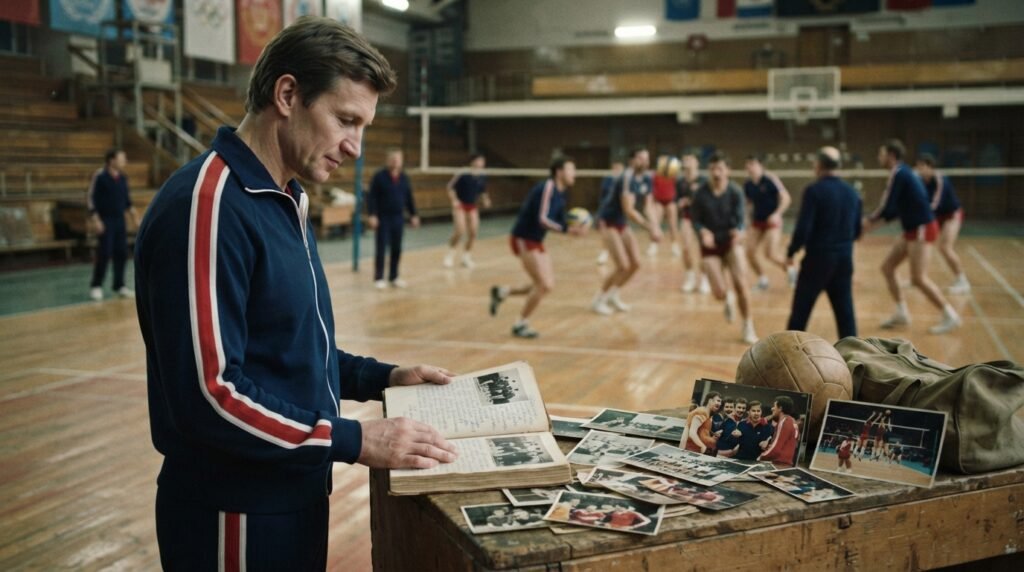
A conventional biography is normally written by someone researching another person’s life.
A memoir has a different starting point: personal recollection.
That distinction matters because readers searching for The Flying Elephant are not simply looking for an encyclopedia-style biography of Savin.
They are interested in his perspective on the world he experienced.
The appeal of a sports memoir is often found in details that statistics cannot provide:
- what training felt like
- how competition affected an athlete
- how teammates interacted
- what defeat meant
- how success changed expectations
- what remained after the competitive career
That makes memoir particularly valuable for readers who want to understand the person behind the medal.
What to Expect From the Kindle Edition
The Kindle version is particularly relevant for readers who prefer digital books.
Its practical advantages include:
- Reading across compatible devices
- Adjustable text
- Searchable content
- Highlighting and note-taking
- Portable access
- No need to carry a large physical book
This can be especially convenient for a lengthy sports memoir.
Current third-party descriptions report approximately 514 pages, so digital reading may appeal to people who prefer carrying a substantial book on a phone, tablet or Kindle device.
Because digital-book specifications can change, however, buyers should check the current retailer listing before purchasing.
The Photographs Add Historical Value
One of the more distinctive features repeatedly associated with the English edition is its collection of photographs.
Current descriptions report more than 240 photographs, including archival and family material.
For a volleyball-history reader, this can be more than decoration.
Photographs can provide visual evidence of:
- Players and teammates
- Training environments
- Competitions
- Sporting equipment
- Olympic settings
- Different eras of volleyball
This visual element potentially makes the book useful to readers interested in sports history as well as autobiography.
What Themes Can Readers Explore?
The memoir is particularly relevant to several recurring themes in elite sport.
Discipline
Olympic performance requires years of preparation rather than a single successful tournament.
Teamwork
Volleyball is fundamentally a team sport, so individual achievement exists within a larger group.
Pressure
Olympic competition places enormous expectations on athletes, especially when representing a national team.
Failure and recovery
Savin’s Olympic record itself demonstrates the contrast between finishing second in 1976 and winning gold in 1980.
Sporting legacy
A memoir can preserve memories of athletes, teams and sporting environments that may otherwise become difficult for future generations to access.
Who Should Read The Flying Elephant?
The book is likely to be most relevant to:
Volleyball fans
Readers interested in the history of the sport and its international development will find Savin’s career particularly relevant.
Olympic-history readers
Anyone researching the 1976 and 1980 volleyball tournaments has a natural reason to investigate Savin.
Sports memoir enthusiasts
The book fits readers who enjoy first-person accounts of competitive sporting careers.
Athletes and coaches
The experiences of an elite volleyball player can provide useful perspective on preparation, competition and team environments.
Sports historians
The connection to Soviet volleyball gives the memoir potential historical value beyond its personal narrative.
Who Might Not Enjoy It?
No sports memoir will appeal equally to everyone.
Readers looking exclusively for fast-paced competition stories may prefer a conventional sports biography or match-focused history.
Likewise, someone who has no interest in volleyball, Olympic history or athlete memoirs may find the subject too specialized.
The book is better suited to someone who wants the story behind the sporting career, rather than simply a list of results.
Is The Kindle Edition Worth Reading?
For the right reader, it is worth investigating.
The strongest reasons are the combination of:
- Alexander Savin’s Olympic career
- Soviet volleyball history
- first-person sporting perspective
- substantial reported length
- extensive photographic material
- historical context
The book is especially interesting because Savin’s Olympic career covers two very different outcomes: silver in Montreal in 1976 and gold in Moscow in 1980.
That makes the memoir potentially useful for readers who want to understand how an elite athlete’s career develops across victories, setbacks and changing circumstances.
What Should Readers Know Before Buying?
Before purchasing the The Flying Elephant: Memoirs of an Olympic Champion Kindle edition, verify the current retailer listing for:
- Author name
- Edition format
- Current price
- Page/print length
- Language
- Included images
- Publication information
- Device compatibility
This is particularly important for Kindle books because retailer metadata and availability can change.
Frequently Asked Questions
1. Who wrote The Flying Elephant: Memoirs of an Olympic Champion?
The book is attributed to Alexander Savin, the Soviet volleyball player and Olympic champion.
2. Who is Alexander Savin?
Alexander Savin is a former Soviet volleyball player who won Olympic silver in 1976 and Olympic gold in 1980 as part of the Soviet men’s volleyball teams.
3. What is The Flying Elephant about?
It is a sports memoir centered on Alexander Savin’s volleyball career and experiences connected with elite Soviet sport.
4. Is The Flying Elephant available as a Kindle edition?
Current online sources describe an English Kindle edition. Because retailer availability can change, readers should verify the current listing before buying.
5. How long is the Kindle edition?
Current descriptions report approximately 514 pages. This should be treated as current listing information rather than a permanent specification.
6. Does the book contain photographs?
Current descriptions report more than 240 photographs, including archival and family material.
7. What Olympic medals did Alexander Savin win?
Savin was part of the Soviet men’s volleyball team that won silver at Montreal 1976 and gold at Moscow 1980.
8. Is the book only for volleyball fans?
No. While volleyball is central to the story, readers interested in Olympic history, sports culture, athlete experiences and Soviet-era competition may also find it relevant.
Final Verdict
The Flying Elephant: Memoirs of an Olympic Champion Kindle Edition is best understood as more than a book about Olympic medals. Alexander Savin’s career connects the memoir to two important Olympic tournaments, Soviet volleyball and a distinctive period in international sport. His participation in the 1976 silver-medal team and the 1980 gold-medal team gives the story a particularly interesting competitive arc.
For volleyball enthusiasts, Olympic-history readers, athletes and fans of sports memoirs, the book offers several reasons to explore it. The reported 514-page length and 240-plus photographs also make the edition notable as a substantial historical and visual record. If your main interest is Alexander Savin, Soviet volleyball or the human story behind Olympic competition, The Flying Elephant is a particularly relevant title to investigate.
Related Post
- Tvlio – IPTV Features, Pricing, Safety, Legality, and What to Know in 2026!
- Tozymagazine.Com Usa – Complete Guide to the Website, Content and What Readers Should Know!
- Grammarvista.Com Usa – A Complete Guide to Grammar Vista, Its Resources, and How It Works!
About the Author