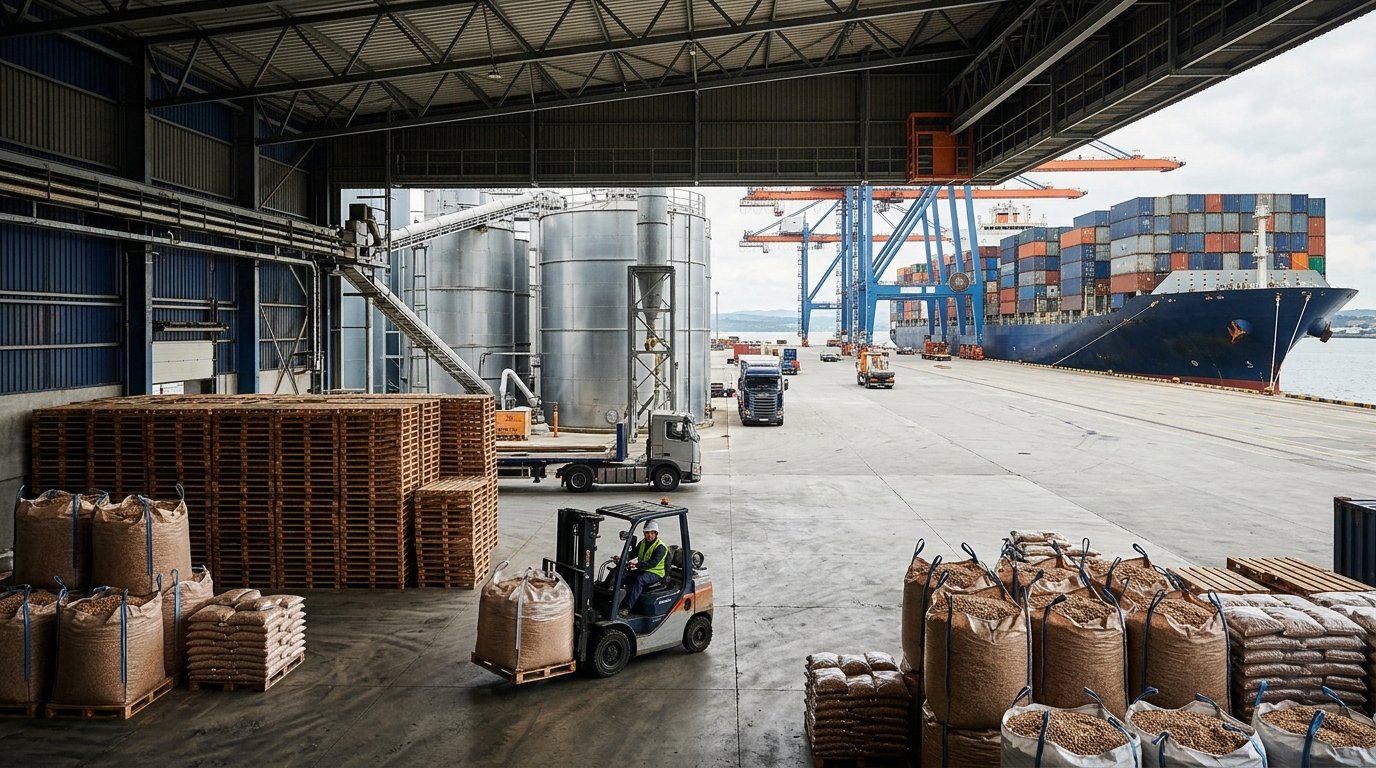
ImportPellet is a term associated with the international sourcing and importing of different pellet products, particularly wood pellets used in energy production and industrial applications. As businesses look beyond domestic markets for reliable materials, international pellet trading has become an important part of several industries. Understanding ImportPellet involves more than finding an overseas supplier. Buyers must consider product quality, transportation, import regulations, documentation, pricing, and supplier reliability. This guide explains how pellet importing works, the different products involved, and the important factors businesses should understand before entering the international market.
What Is ImportPellet?
ImportPellet refers broadly to the process of sourcing and importing pellet products from international manufacturers, exporters, and trading companies. These products are available in different forms and serve industries such as renewable energy, agriculture, plastics, fertilizer production, and animal nutrition.
The term is also associated with a specialized Brazilian wood pellet sourcing resource developed by Mello Commodity. This resource focuses on helping international buyers research Brazilian producers, exporters, and trading companies.
It is important to distinguish between the general pellet import process and the specific sourcing resource. ImportPellet is not an internationally recognized product certification or a universal customs authority.
Understanding the Meaning of ImportPellet
Pellets are small, compressed or processed materials manufactured for specific industrial or commercial purposes. Their composition depends on the intended application.
For example, wood pellets are produced from processed wood materials and commonly used as biomass fuel. Plastic pellets are polymer materials used in manufacturing, while fertilizer pellets contain nutrients designed for agricultural applications.
Importing these products involves identifying suitable manufacturers, agreeing on product specifications, arranging transportation, and completing the necessary customs procedures.
ImportPellet as a Brazilian Wood Pellet Sourcing Resource
Brazil is one of the countries involved in international wood pellet production and trade.
Mello Commodity has introduced a Brazilian Wood Pellet Suppliers Guide designed to help international buyers research potential suppliers. Its published description identifies 17 Brazilian producers, exporters, and trading companies.
The research resource includes supplier information, export-related details, certification information where applicable, and guidance for approaching potential business partners.
However, a supplier directory should be treated as a starting point for research rather than a guarantee of product quality or commercial reliability. Buyers should independently verify each company’s identity, manufacturing capacity, certifications, and export history.
Who Needs Pellet Importing Services?
International pellet sourcing may be relevant to several types of businesses:
- Energy companies purchasing biomass fuel.
- Industrial manufacturers requiring plastic raw materials.
- Agricultural businesses purchasing fertilizer products.
- Animal nutrition companies sourcing feed ingredients.
- Wholesale distributors supplying regional markets.
- Trading companies connecting manufacturers with international customers.
Each buyer has different requirements, so selecting the correct product category is the first important step.
Different Types of Pellets Imported Internationally
Pellets are used in several industries, but their composition, specifications, and regulatory requirements vary considerably.
Wood Pellets
Wood Pellets Biomass Woodpellet | tradekorea
tradekorea.com
Wood pellets are compressed biomass products generally manufactured from sawdust, wood shavings, and other suitable wood materials.
They are commonly used in:
- Residential heating systems.
- Commercial boilers.
- Industrial heating facilities.
- Biomass power generation.
Buyers usually evaluate wood pellets based on moisture content, ash content, mechanical durability, bulk density, and energy value.
Agricultural Biomass Pellets
Biomass Pellet Pricing in India: A Comprehensive Analysis
rkwindmast.com
Agricultural biomass pellets are manufactured from materials such as rice husks, straw, corn residues, and other agricultural by-products.
They can provide alternative fuel options for suitable industrial applications.
Their performance depends on the raw materials used, ash characteristics, moisture levels, and compatibility with the intended combustion equipment.
Plastic Pellets
Hy-Ten Plastics
hy-ten.com
Plastic pellets are small polymer granules used as raw materials in manufacturing.
Common applications include:
- Plastic packaging.
- Automotive components.
- Household products.
- Pipes and construction materials.
- Injection-molded products.
Importers should check polymer type, grade, color, contamination levels, melt flow properties, and technical specifications before purchasing.
Fertilizer Pellets
Dự báo giá ure tăng trở lại trong năm sau, lựa chọn cổ phiếu Đạm Cà Mau (DCM) hay Đạm Phú Mỹ (DPM)?
tapchicongthuong.vn
Fertilizer pellets contain nutrients intended to support plant growth and soil management.
Depending on their formulation, they may contain nitrogen, phosphorus, potassium, or other nutrients.
Importers should review nutrient composition, product labeling, chemical safety documentation, and destination-country agricultural regulations.
Animal Feed Pellets
Post-thermal application of feed additives – All About Feed
allaboutfeed.net
Animal feed pellets are manufactured by processing and compressing nutritional ingredients into manageable pieces.
They are used in livestock, poultry, and other animal feeding operations.
Important purchasing considerations include nutritional composition, ingredient quality, moisture levels, contamination controls, and applicable feed safety requirements.
Why Do Businesses Import Pellets?
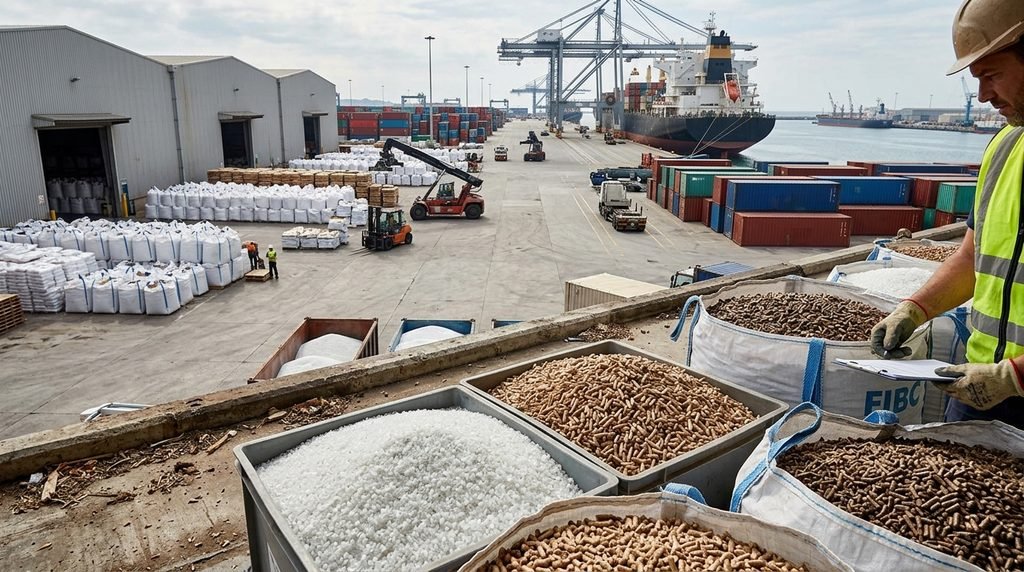
Companies may choose international suppliers because their domestic markets cannot provide the required product volume, quality, or pricing.
Several factors influence this decision.
Access to International Suppliers
Importing provides access to manufacturers in different countries. This can help businesses compare product specifications, production capabilities, and commercial offers.
For example, a company requiring wood pellets may investigate Brazilian suppliers alongside manufacturers in other producing countries.
Consistent Product Availability
Businesses with large production or energy requirements need dependable supplies.
International sourcing can create additional purchasing options when domestic production is limited or seasonal demand increases.
However, importers should evaluate production capacity, delivery schedules, and the supplier’s ability to fulfill repeat orders.
Competitive Purchasing Costs
International manufacturers may offer attractive prices because of differences in production costs, raw material availability, and manufacturing scale.
Nevertheless, a low quoted price does not necessarily mean a cheaper purchase.
Freight, insurance, customs duties, handling, storage, and inland transportation must also be considered.
How to Choose the Right Pellet Supplier
Supplier selection is one of the most important stages of international importing.
A manufacturer may offer attractive prices, but buyers also need confidence in its production capacity, product quality, and business practices.
Manufacturers, Exporters, and Trading Companies
Understanding the different types of suppliers helps buyers evaluate commercial offers.
- Manufacturers: Produce the pellets and generally have direct control over production.
- Exporters: Handle international sales and shipment arrangements.
- Trading companies: Purchase products from manufacturers and resell them to overseas buyers.
Not every exporter owns a production facility. Buyers should establish whether the company manufactures the goods itself or sources them from another business.
Verify Supplier Information
Before transferring money or signing a purchase agreement, investigate the supplier.
Important checks include:
- Confirm the company’s legal name and registration.
- Verify its physical business address.
- Request evidence of manufacturing or export activity.
- Review available quality certifications.
- Ask for recent product specifications.
- Request references from previous customers where possible.
- Verify the company’s banking details independently.
- Arrange an inspection when the order value justifies it.
Avoid relying entirely on photographs, online listings, or promotional claims.
Request Samples and Quality Reports
Samples allow buyers to evaluate a product before committing to a large shipment.
For wood pellets, request laboratory information covering moisture, ash, durability, fines, bulk density, and calorific value.
For plastic pellets, request polymer identification and relevant material test reports.
Product-specific testing helps reduce the possibility of receiving goods that do not meet the buyer’s requirements.
Wood Pellet Quality Standards and Certifications
Quality standards help international buyers compare products using consistent technical measurements.
Understanding ENplus A1 and A2
ENplus is a certification scheme for wood pellets used in residential, commercial, and industrial markets.
ENplus A1 represents a higher-quality class commonly associated with residential pellet heating. A2 permits certain higher ash and other specification limits.
For ENplus A1, important limits include:
- Moisture content: maximum 10%.
- Ash content: maximum 0.70%.
- Mechanical durability: minimum 98%.
- Bulk density: generally 600–750 kg/m³.
Buyers should verify certificates through the official certification system rather than relying only on supplier-provided logos.
Important Wood Pellet Specifications
| Specification | Why it matters |
|---|---|
| Moisture content | Influences storage stability and combustion performance |
| Ash content | Indicates the amount of residue after combustion |
| Calorific value | Helps determine available energy |
| Mechanical durability | Measures resistance to breaking |
| Bulk density | Affects storage and transportation |
| Fines content | Indicates the amount of loose pellet particles |
ISO 17225-2 provides internationally recognized specifications and fuel quality classes for graded wood pellets.
However, certification requirements should be matched to the destination market and intended application.
How to Import Pellets Internationally
Importing pellets involves several connected activities. A structured process helps businesses avoid unnecessary expenses and documentation problems.
Step 1: Identify the Product and Destination
Start by identifying the exact pellet type, intended application, quantity, and destination country.
For example, importing industrial wood pellets requires different product checks from importing plastic polymer granules.
Also investigate the destination country’s import restrictions and product standards.
Step 2: Research and Contact Suppliers
Find potential manufacturers, exporters, and trading companies through industry directories, trade exhibitions, commercial networks, and sourcing platforms.
Compare multiple suppliers instead of accepting the first quotation.
Step 3: Request Quotations and Samples
Ask suppliers to provide a detailed quotation containing:
- Product description.
- Technical specifications.
- Quantity and packaging.
- Minimum order quantity.
- Price per metric tonne.
- Production lead time.
- Shipping terms.
- Payment conditions.
Request samples or independent laboratory reports where appropriate.
Step 4: Negotiate Contracts and Payment Terms
The purchase agreement should clearly explain the responsibilities of both parties.
Include product specifications, quantity tolerances, delivery deadlines, inspection procedures, payment milestones, and arrangements for resolving disputes.
International buyers may consider payment protections such as letters of credit, depending on the transaction and banking arrangements.
Step 5: Arrange Inspection and Transportation
Before dispatch, verify that the shipment matches the agreed specifications.
An independent inspection company can help check quantity, packaging, and product condition.
The importer or exporter should also arrange appropriate freight, cargo insurance, and shipping documentation.
Step 6: Complete Customs Clearance
Once the shipment reaches its destination, the importer or appointed customs broker handles the necessary declaration and supporting documentation.
Customs duties, taxes, inspections, and regulatory requirements depend on the product classification and destination country.
Correct classification is essential because different pellet products may fall under different tariff categories.
International Shipping Methods for Pellets
Transportation affects the total importing cost and the condition in which the products arrive.
Container Shipping
Container shipping is suitable for many packaged pellet shipments and smaller commercial orders.
It offers standardized handling and allows products to move through established international freight networks.
Importers should select appropriate packaging and ensure that containers remain suitable for the product’s moisture and handling requirements.
Bulk Cargo Shipping
Large shipments of wood pellets may be transported in bulk vessels.
This option can be appropriate for businesses purchasing substantial quantities, particularly when the origin and destination ports have suitable loading and unloading facilities.
However, moisture exposure, cargo handling, contamination and dust management require careful attention.
Road and Rail Transportation
Road and rail are commonly used for domestic or regional transportation, including movement between production facilities, ports, warehouses, and customers.
The best transportation combination depends on distance, shipment volume, infrastructure, and delivery deadlines.
Pellet Import Costs and Landed Cost Calculation
The quoted product price is only one part of the total importing expense.
Businesses should calculate the landed cost before accepting an international offer.
Main Importing Expenses
Typical cost components include:
- Product purchase price.
- Export packaging.
- Inland transportation.
- Port handling.
- International freight.
- Cargo insurance.
- Customs duties.
- Import taxes.
- Customs brokerage.
- Final delivery.
Some expenses depend on the agreed Incoterms and which party is responsible for each activity.
Example of a Landed Cost Calculation
Consider a hypothetical shipment of 100 metric tonnes of wood pellets.
| Cost component | Example amount |
|---|---|
| Product purchase | $12,000 |
| Inland transportation | $800 |
| Export and port charges | $500 |
| International freight | $2,000 |
| Insurance | $100 |
| Customs and other charges | $1,100 |
| Total landed cost | $16,500 |
The example produces a landed cost of $165 per metric tonne.
These are illustrative figures, not current market quotations. Actual costs depend on the shipment, destination, trade terms, tariffs, and service providers.
Documents Required for Pellet Imports
International shipments require appropriate commercial and customs paperwork.
Common documents include:
Commercial Invoice: Identifies the seller, buyer, products, quantities, prices, and transaction details.
Packing List: Explains how the products are packaged and identifies shipment quantities and weights.
Bill of Lading: Provides evidence of the ocean carriage contract and receipt of cargo.
Certificate of Origin: Establishes the declared country of origin when required or relevant to tariff treatment.
Insurance Certificate: Provides evidence of cargo insurance where applicable.
Product Quality Certificate: Documents relevant specifications or test results.
Additional documents may be required depending on the pellet category, country of origin, and destination regulations. These may include import permits, laboratory reports, phytosanitary documentation, or product registration.
Importers should confirm requirements with the relevant customs authority before shipment.
Storage, Handling and Safety of Imported Pellets
Proper storage helps protect product quality after delivery.
Wood pellets can absorb moisture, which may cause swelling, crumbling, and deterioration. They should be kept in suitable dry storage areas with protection against rain and condensation.
Important precautions include:
- Inspect containers for moisture damage before unloading.
- Use appropriate sealed or protected packaging.
- Keep products away from water.
- Maintain suitable warehouse ventilation.
- Follow safe dust-handling procedures.
- Monitor storage conditions.
- Follow fire and occupational safety requirements.
Wood pellet dust can present combustible-dust hazards. Storage and handling facilities should follow applicable safety standards and use suitable equipment.
Plastic pellets, fertilizers, and feed products have different storage requirements and should follow their respective safety and handling guidance.
Business Opportunities and Risks in Pellet Importing
International pellet trade can create commercial opportunities, but profitability depends on more than finding inexpensive products.
Market Research and Customer Demand
Before importing, investigate local demand, competing suppliers, potential customers, product standards, and distribution channels.
For wood pellets, examine demand from heating businesses, industrial users, and biomass energy facilities.
For plastic pellets, identify manufacturers that require the specific polymer grade being offered.
Profitability Considerations
A successful importing business needs to account for:
- Purchase costs.
- Freight and handling.
- Customs charges.
- Currency fluctuations.
- Warehouse expenses.
- Financing costs.
- Product losses.
- Customer payment periods.
A business should calculate its expected selling price and profit margin using realistic landed costs rather than relying on supplier quotations alone.
Common Importing Mistakes
First-time importers should avoid several common problems:
- Choosing suppliers based only on low prices.
- Ignoring product testing.
- Misunderstanding shipping terms.
- Using incorrect customs classifications.
- Underestimating transportation expenses.
- Making unsecured advance payments.
- Failing to check destination-country regulations.
- Neglecting storage and product-handling requirements.
Careful planning and independent verification can reduce these risks.
Frequently Asked Questions About ImportPellet
1. What does ImportPellet mean?
ImportPellet generally refers to sourcing and importing pellet products from international suppliers. These products may include wood, agricultural biomass, plastic, fertilizer, and animal feed pellets. The term is also associated with a Brazilian wood pellet sourcing research resource.
2. What types of pellets can businesses import?
Businesses can import several categories, including wood pellets, agricultural biomass pellets, plastic resin pellets, fertilizer pellets, and animal feed pellets. Each category has different specifications, applications, and regulatory requirements.
3. How can importers find reliable pellet suppliers?
Importers should investigate company registration, manufacturing capabilities, export history, certifications, product specifications, and customer references. Requesting samples and arranging independent inspections can provide additional confidence before purchasing.
4. What documents are needed to import wood pellets?
Common documents include a commercial invoice, packing list, bill of lading, and certificate of origin where applicable. Depending on the destination and product, additional quality reports, permits, or phytosanitary documentation may be necessary.
5. Is importing pellets a profitable business?
Pellet importing can be commercially attractive when buyers have reliable suppliers, sufficient customer demand, competitive transportation arrangements, and accurate cost calculations. Profitability depends on the product, destination market, duties, shipping expenses, and selling price.
Conclusion
ImportPellet represents an important area of international sourcing involving multiple pellet industries, particularly biomass fuel. Successful importing requires reliable suppliers, suitable product specifications, accurate documentation, and careful transportation planning. Businesses that understand landed costs, quality standards, and destination regulations can make better purchasing decisions. Thorough research and independent verification remain essential for building sustainable international pellet trading relationships.
Related Post
- X2vol – What It Is, How to Log Volunteer Hours, and How It Works With Naviance!
- Megazee.Com – Features, Categories, Website Review, and Everything to Know!
About the Author